

Every Sunday night, the same thing happens at my kitchen table. My daughter packs up the kids, and before the car doors even close, one of them calls out the question I can set my watch by: "Can we play Qwirkle?" It is MindWare's Qwirkle, the tile-matching game that has lived on my bookshelf for two years now, and I have stopped being surprised that it is the first box they reach for. Maya, Eli and Rosie have a dozen games to choose from, but Qwirkle is the one they ask for by name.
It did not start out that way. I bought Qwirkle because I wanted a game the whole family could sit down with at once, and most of what I owned asked too much of somebody. Scrabble left Rosie staring at letters she could not read yet. The strategy games lost Eli after ten minutes. Qwirkle looked like a compromise, a simple matching game that maybe the little one would enjoy while the older kids humored her. I did not expect it to become the thing they argue over who gets to start.
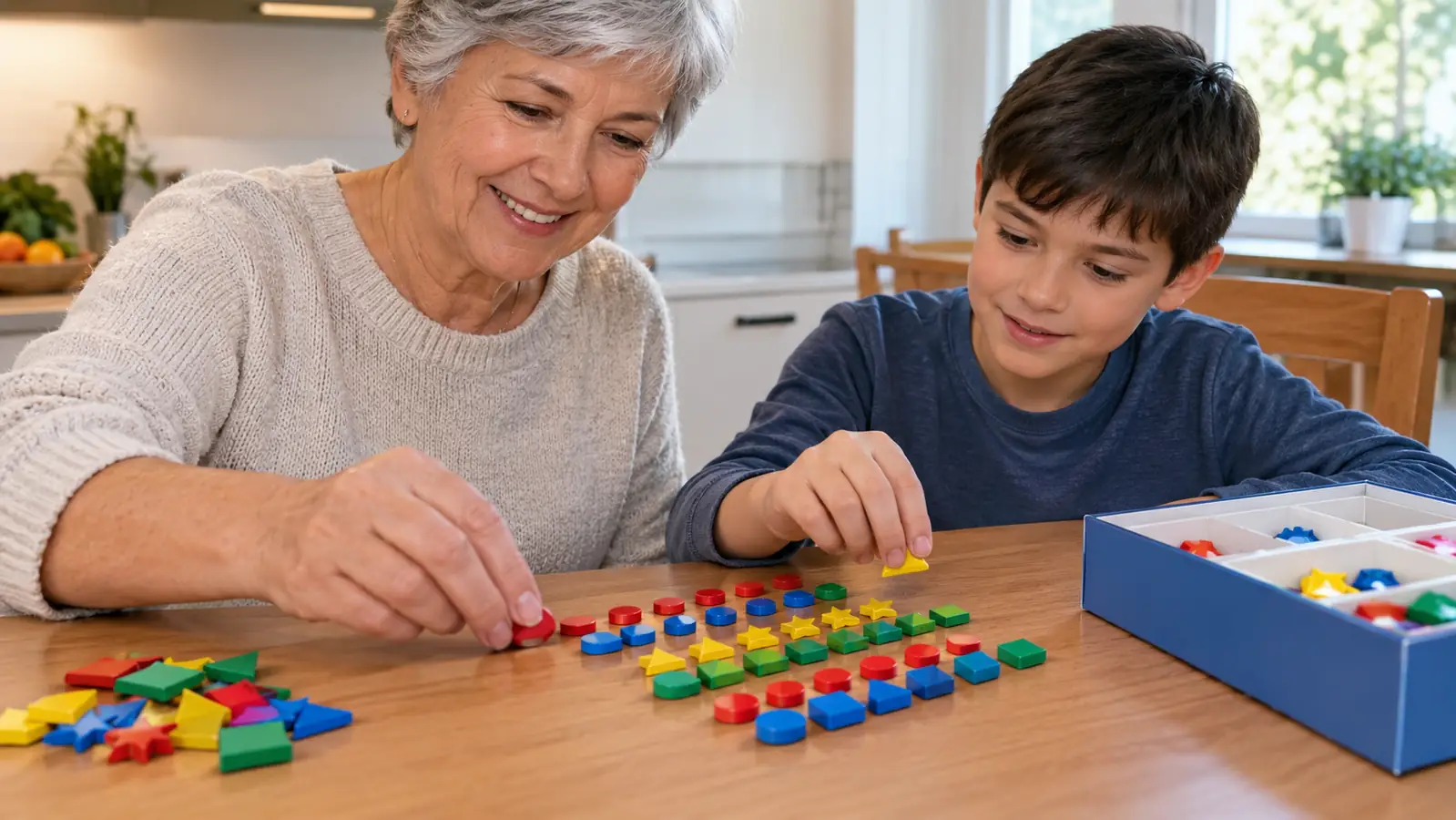
The rules take about two minutes to explain. You draw tiles, and on your turn you add to the rows on the table, matching by color or by shape. Make a line of six and you score a Qwirkle, which is as exciting as it sounds when a six-year-old shouts it. There is no board, no timer, no reading, and no way to be eliminated halfway through. Everyone stays in the game until the last tile is played, and a full round runs about twenty minutes, which is exactly the attention span range of my particular crowd.
What surprised me is how the game changes with the player. Rosie plays for the matching and the joy of laying down tiles. Eli counts his points and starts to see that one careful move can set up his next turn. Maya, who is twelve and thinks she is too old for most things, plays actual strategy, setting traps and saving her best tiles for a big score. Same box, same rules, three completely different games happening at one oak table. That is a hard trick to pull off.
Eli asked for Qwirkle before I had even poured the coffee. No other box on my shelf has ever earned that.
The one game the 6-year-old and the 12-year-old both ask for
MindWare's Qwirkle has earned a permanent spot on the shelf in our den. If you host mixed-age game nights, it is worth a look. Check today's price on Amazon and see if it belongs on your table.
Amazon Check Today's Price on Amazon →The first time we played, I expected Rosie to wander off after ten minutes the way she does with most games. Instead she sat through the whole round, and when it was over she asked to play again. That has become the pattern. We usually get through two games before somebody remembers dessert exists, and even then the tiles stay on the table while we eat, because everyone wants to see how the rows finish out.
The tiles themselves have held up better than I expected. Fifty-plus games in, with a six-year-old handling them, none are chipped and the symbols are still crisp enough to read at a glance, which matters more than you think when the whole table is squinting at one tile. The box is plain and the insert is simple, but it closes flat and stacks neatly on the den shelf next to the games that came in fancier packaging and do not get played. MindWare kept the production simple, and I mean that as a compliment.
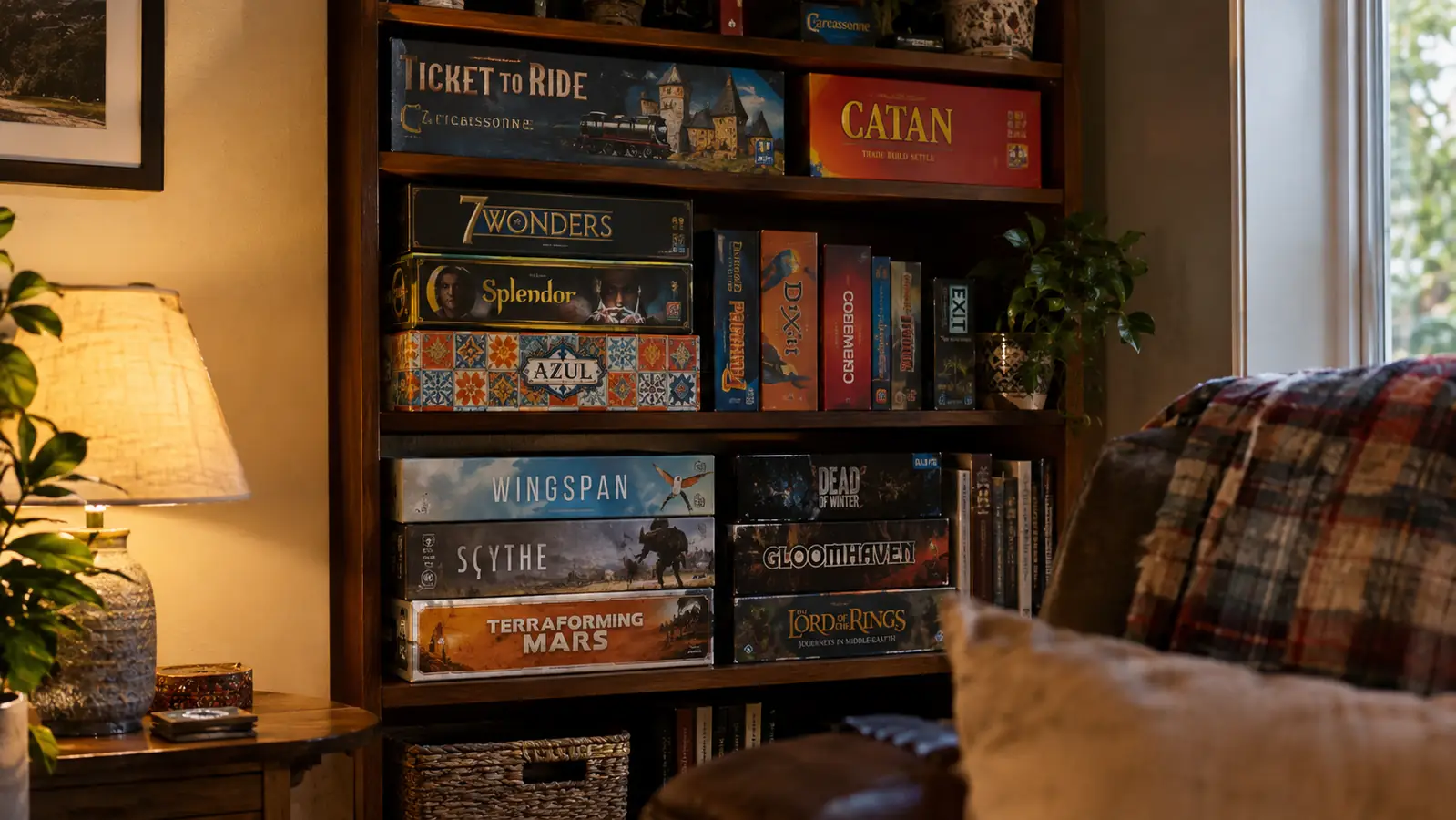
The other thing nobody tells you is how good Qwirkle is for adults who claim they do not like games. Frank will sit out for an hour watching television, but the moment he hears the tiles slide across the oak table, he wanders in and asks if he can play the winner. He lost three Sundays in a row to his twelve-year-old granddaughter and now he asks when the game is happening. I am not sure I have ever seen him voluntarily commit to a game night before.
I have thought about why this one works when so many others gather dust. Part of it is that it respects the players. The little one can play at her level and feel successful. The older ones can play at their level and feel challenged. There is no team, no betrayal, no long downtime while somebody reads a card. You are always doing something on your turn, and when it is not your turn you are watching the rows grow and planning your next move. That is the whole trick, and MindWare pulled it off without a single gimmick.
It travels well, too. The box fits in a tote bag without drama, and because there is no board, we have played it on a picnic table at the park, and once on a blanket in the backyard while the kids waited for burgers. A game that works on any flat surface is a game that actually gets played.
What I'd Tell You If We Were Sitting at My Kitchen Table
If you came over for coffee and asked whether Qwirkle is worth a spot in your house, here is what I would say. Buy it if you host mixed-age groups, because it is one of the few games where a six-year-old and a twelve-year-old can genuinely enjoy the same round. Skip it if you want a heavy strategy game for adults, because it is not that and it does not pretend to be. And ignore anyone who tells you the box needs to be prettier. The box sits on a shelf. The game gets played. MindWare got the important part right.
Bring the same easy win to your kitchen table
If your family game shelf could use one game that everyone actually agrees on, Qwirkle is a solid place to start. Check today's price on Amazon.
Amazon Check Today's Price on Amazon →